Oops! Something went wrong while submitting the form.
Date:
June 30, 2026
Last updated:
June 30, 2026
Introduction
Coworking spaces for remote workers are shared professional environments that provide workspace infrastructure, community access, and a clear physical separation between work and home.
Working from home remains the most common remote arrangement, but for many workers, it creates friction that compounds over time: isolation, difficulty switching off, and the absence of professional structure that a dedicated workspace provides.
For companies building globally distributed teams, the question of where remote hires actually work gets more complicated when different cities, time zones, and local professional cultures are involved. The right coworking space can change both the day-to-day output and the long-term retention of a remote worker, but options vary widely in cost, access, and membership terms.
In this guide, we cover 15 notable coworking spaces across the globe, 12 benefits of coworking for remote workers, and the key differences between working from home and working remotely from a dedicated space.
Top coworking spaces around the world in 2026
Not all coworking spaces are built the same. Some are global chains with thousands of locations and enterprise-grade infrastructure. Others are boutique networks serving a specific region or industry. The spaces below span both ends of that spectrum, across North America, Europe, Asia Pacific, and beyond, giving you a representative picture of what is available depending on where your team works.
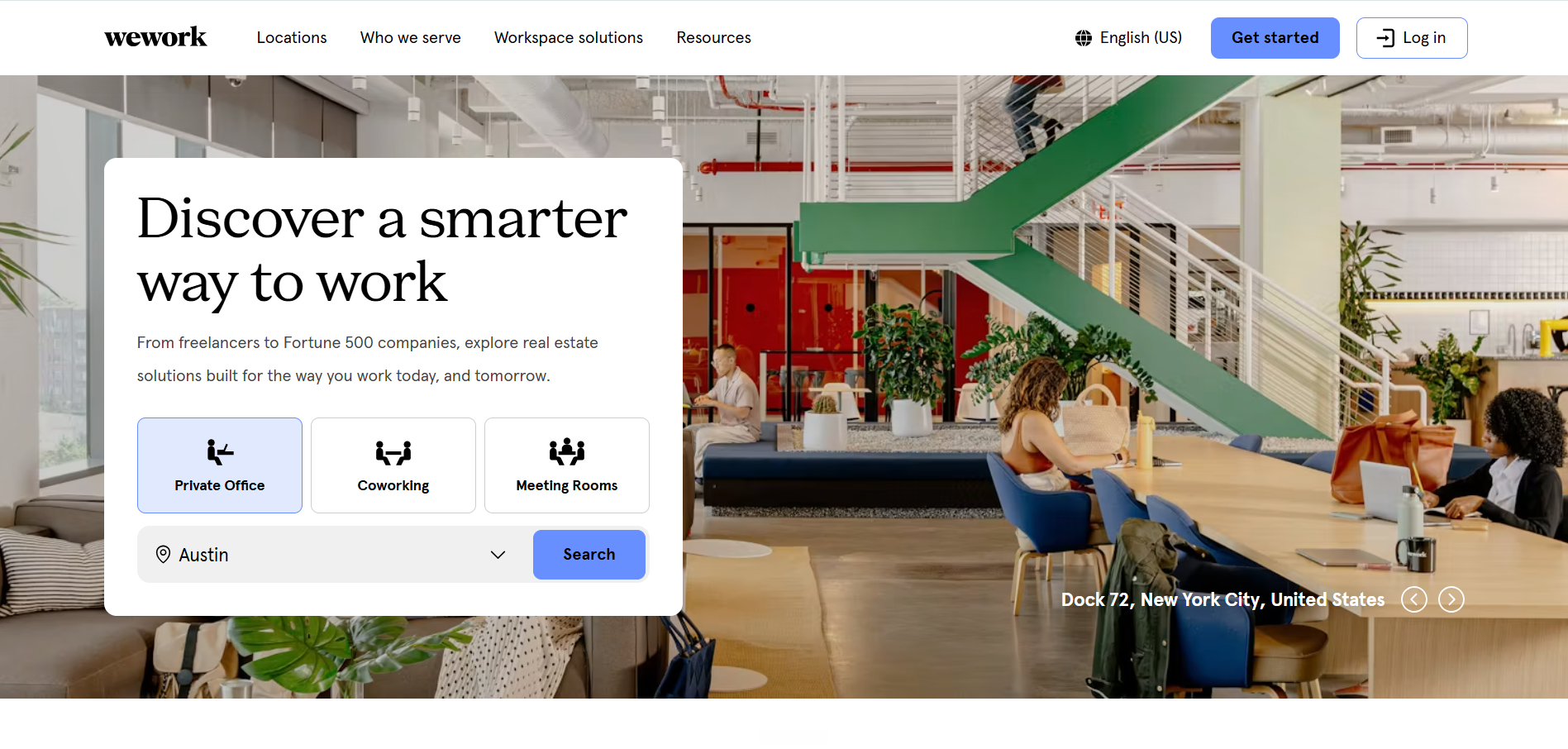
1. WeWork (Global)
WeWork is one of the world's most recognized coworking brands, founded in New York in 2010. It operates 600+ owned locations and a 2,000+ location partner network across 37+ countries. Workspace options include hot desks, dedicated desks, private offices, and enterprise suites. Members access meeting rooms, community events, and WeWork's digital booking platform. The company currently serves half a million members globally, from independent freelancers to Fortune 500 companies.
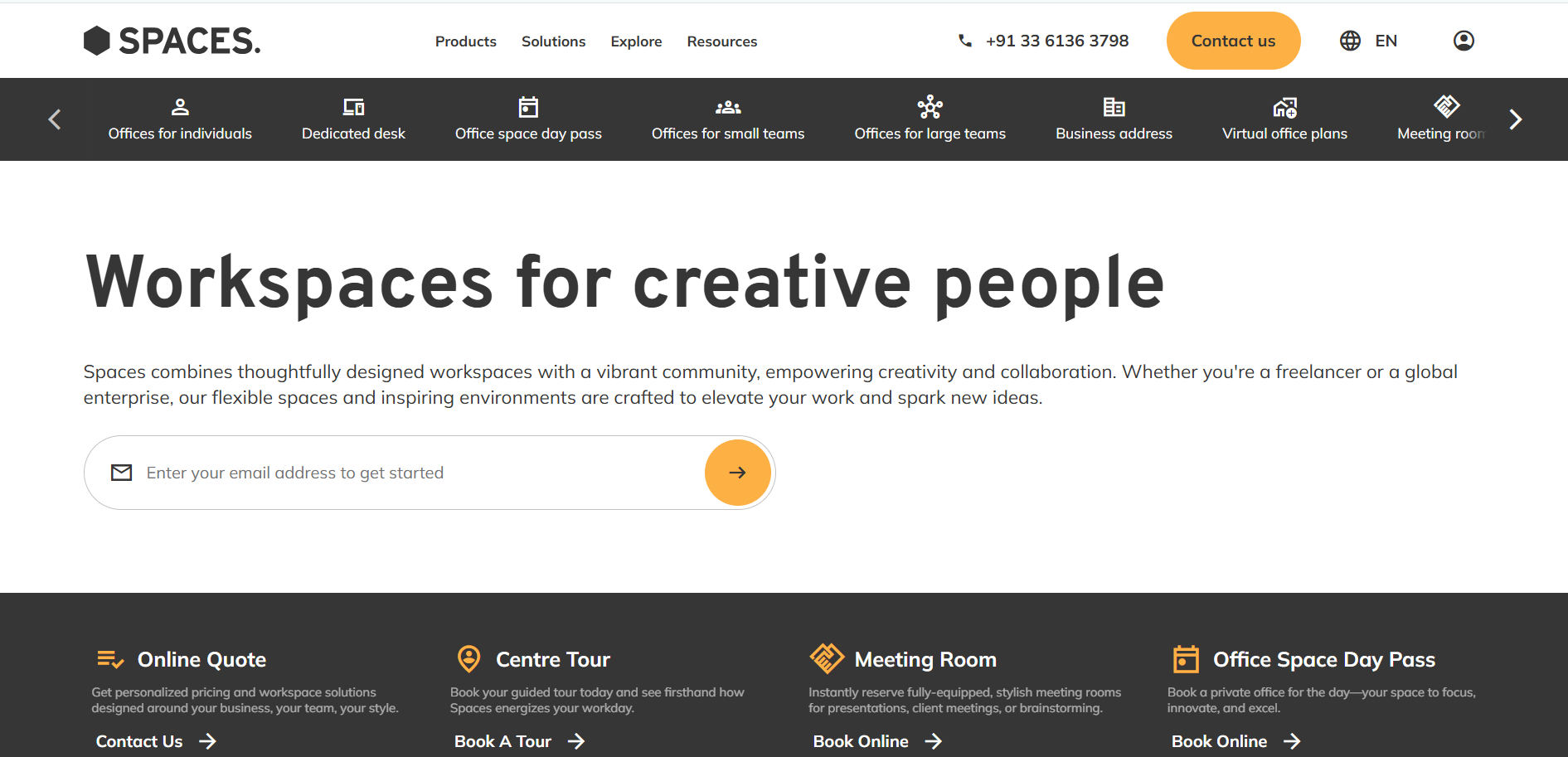
2. Spaces (Global)
Spaces is a creative coworking brand founded in Amsterdam in 2008, now part of the IWG group. With 400+ locations across Europe, the Americas, Asia, Africa, and the Pacific, it pairs design-forward interiors with an entrepreneurial community atmosphere. Memberships cover hot desks, dedicated desks, private offices, and meeting rooms, with flexible day, monthly, or annual options. It is especially popular among freelancers, startups, and creative teams looking for an inspiring workplace.
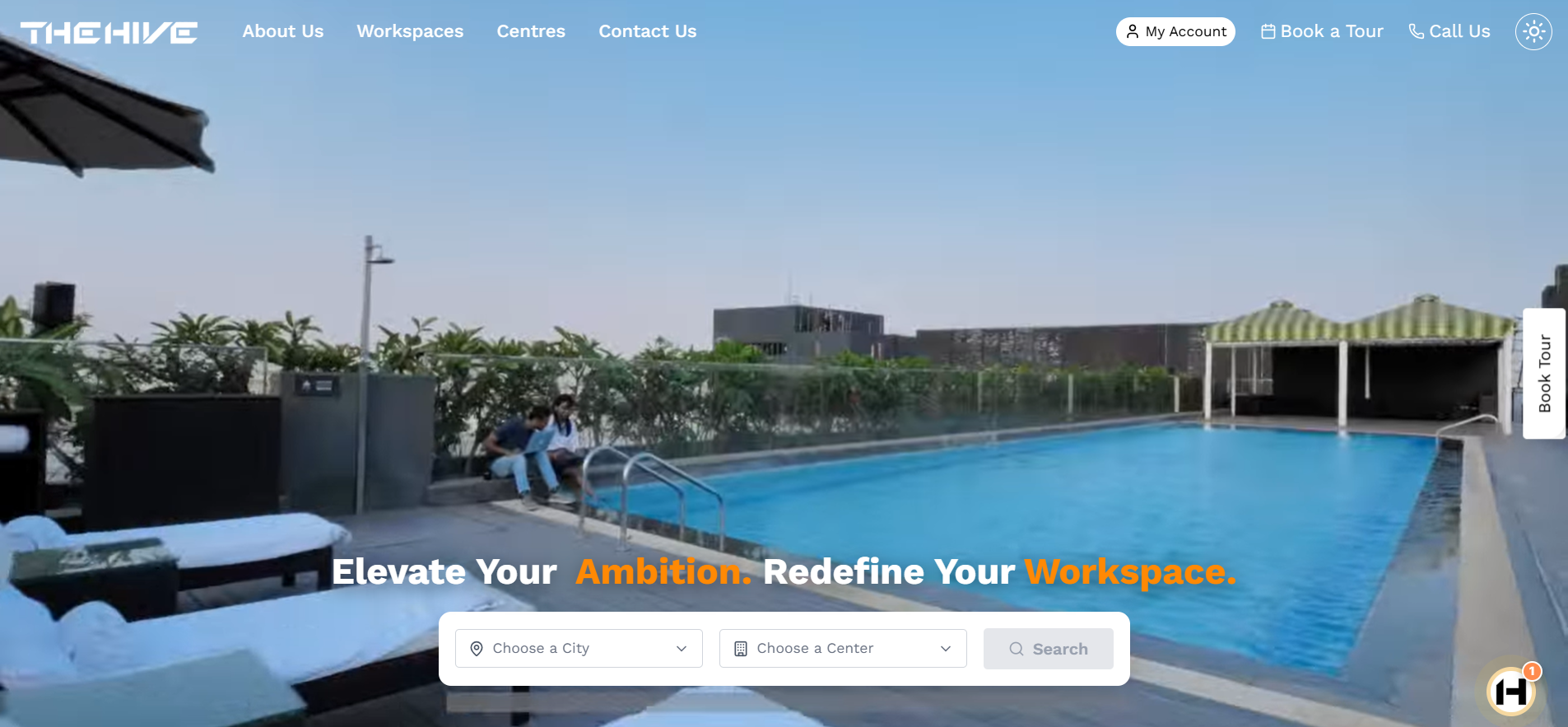
3. The Hive (Asia)
Founded in Hong Kong in 2012, The Hive is Asia Pacific's leading boutique coworking network and part of The Flexi Group, which spans 45+ locations across 12 cities. The Hive itself operates 23+ locations across eight countries, including Hong Kong, Singapore, Thailand, Vietnam, Taiwan, Japan, Malaysia, and Australia. Members access hot desks, private offices, rooftop cafes, and meeting rooms. A single membership grants access to all Hive locations across the Asia Pacific network.
4. Hub Australia (Australia)
Hub Australia is the country's largest privately-owned flexible workspace operator, founded in 2011. It runs 15+ premium locations across Melbourne, Sydney, Adelaide, Brisbane, Canberra, and Perth. Spaces are hospitality-led, with wellness programming, community events, and professional development built in alongside coworking desks and private offices. Hub serves freelancers, startups, and enterprise teams, with national membership access across all locations and a stated focus on helping businesses attract and retain talent.
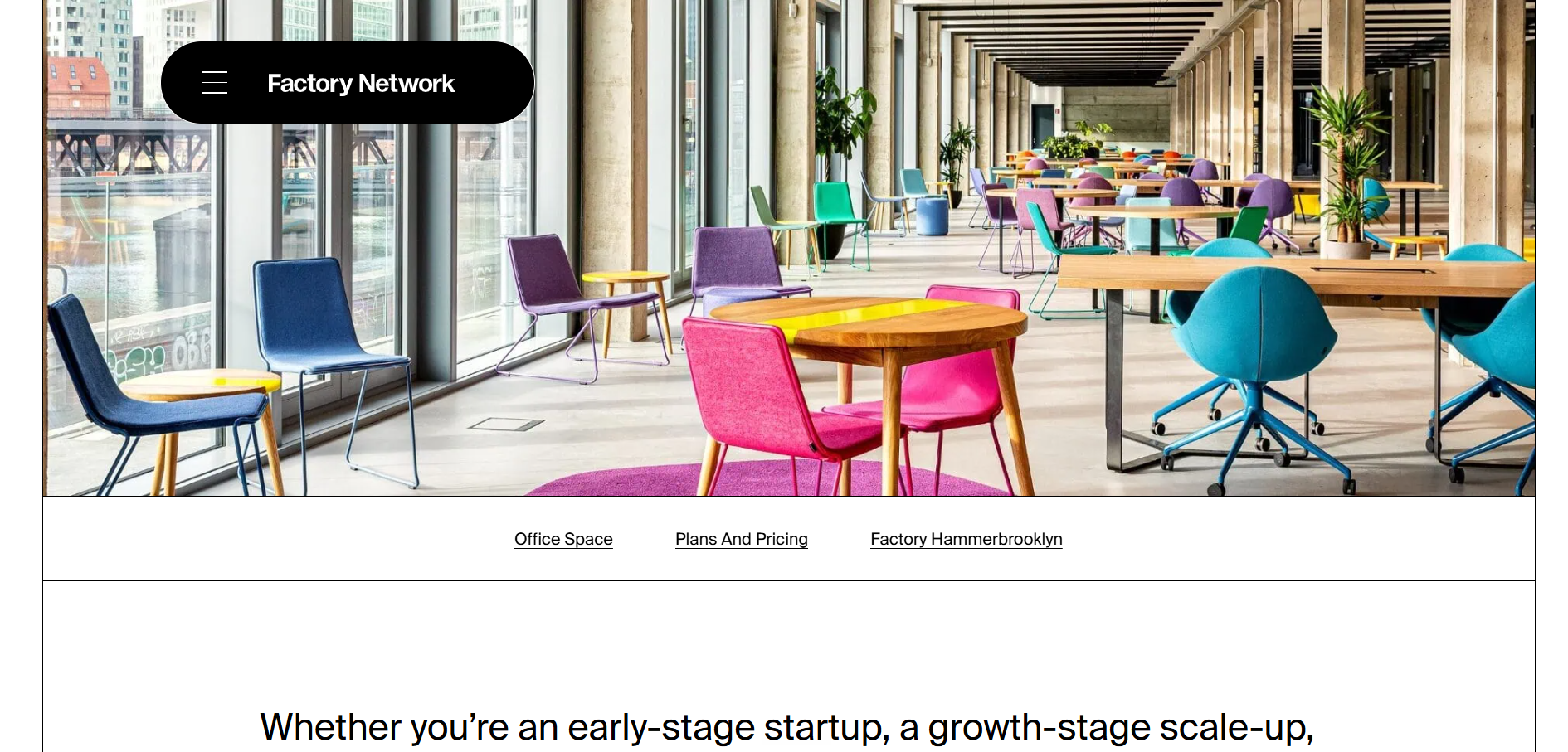
5. Factory Berlin (Germany)
Factory Berlin opened its first location in 2012 in a converted former brewery near the Berlin Wall. Inspired by Andy Warhol's New York Factory, it was built around a curated community of founders, creatives, and corporate innovators from 70+ nationalities, and hosted companies including Uber, SoundCloud, and Zendesk. It has since pivoted toward a "Neo Company Builder" model, taking equity stakes and actively building companies for founders and artists rather than operating as a conventional coworking space.
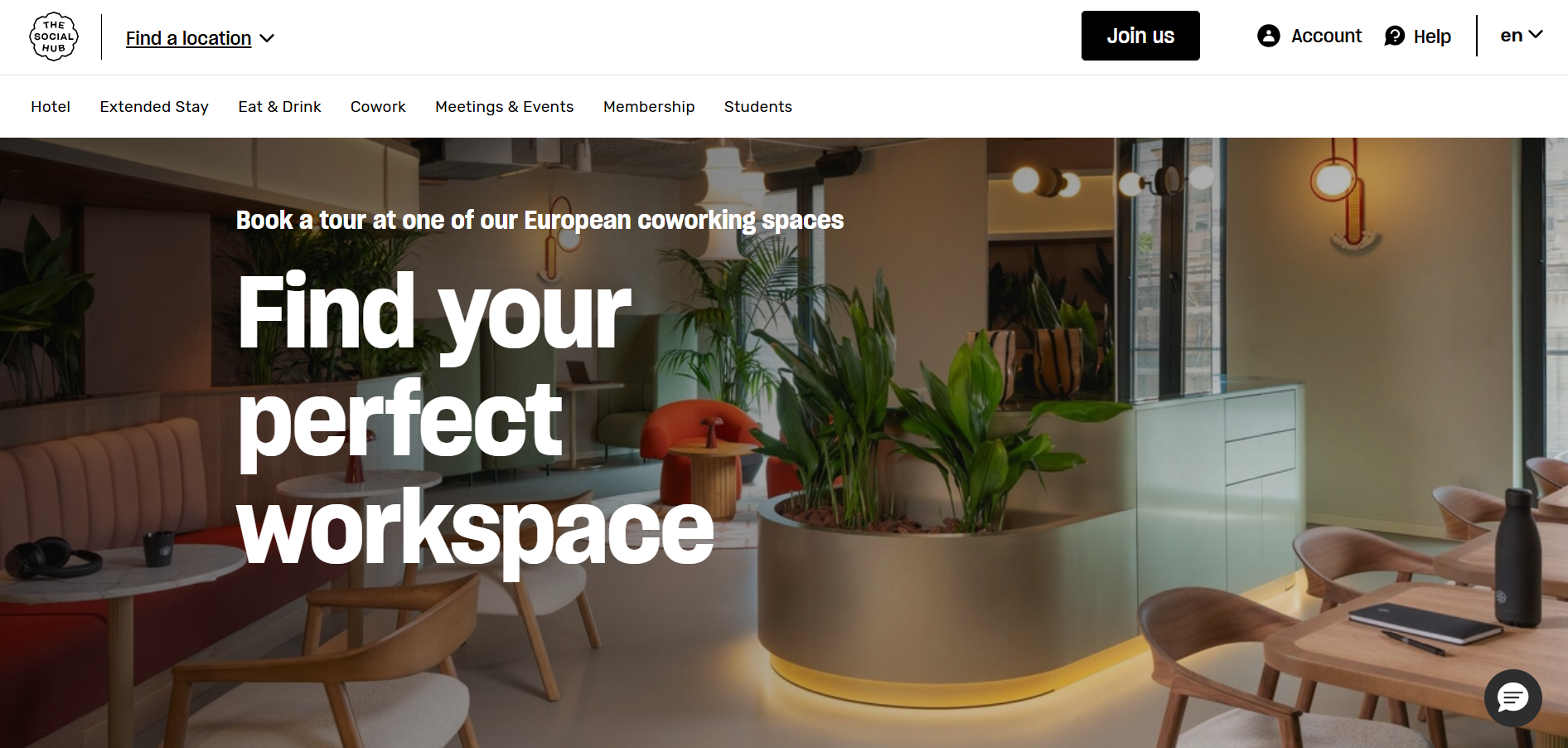
6. TSH Collab (Europe)
TSH Collab is the coworking arm of The Social Hub, a European hospitality group that rebranded from The Student Hotel in 2022. It operates 21 properties across Amsterdam, Florence, Berlin, Barcelona, Paris, and Rome. Coworking memberships include fully equipped workspaces, 24/7 gym access, community events, and all-Europe access across all hubs. The spaces are designed for digital nomads, freelancers, and remote professionals who want workspace, community, and lifestyle amenities under one roof.
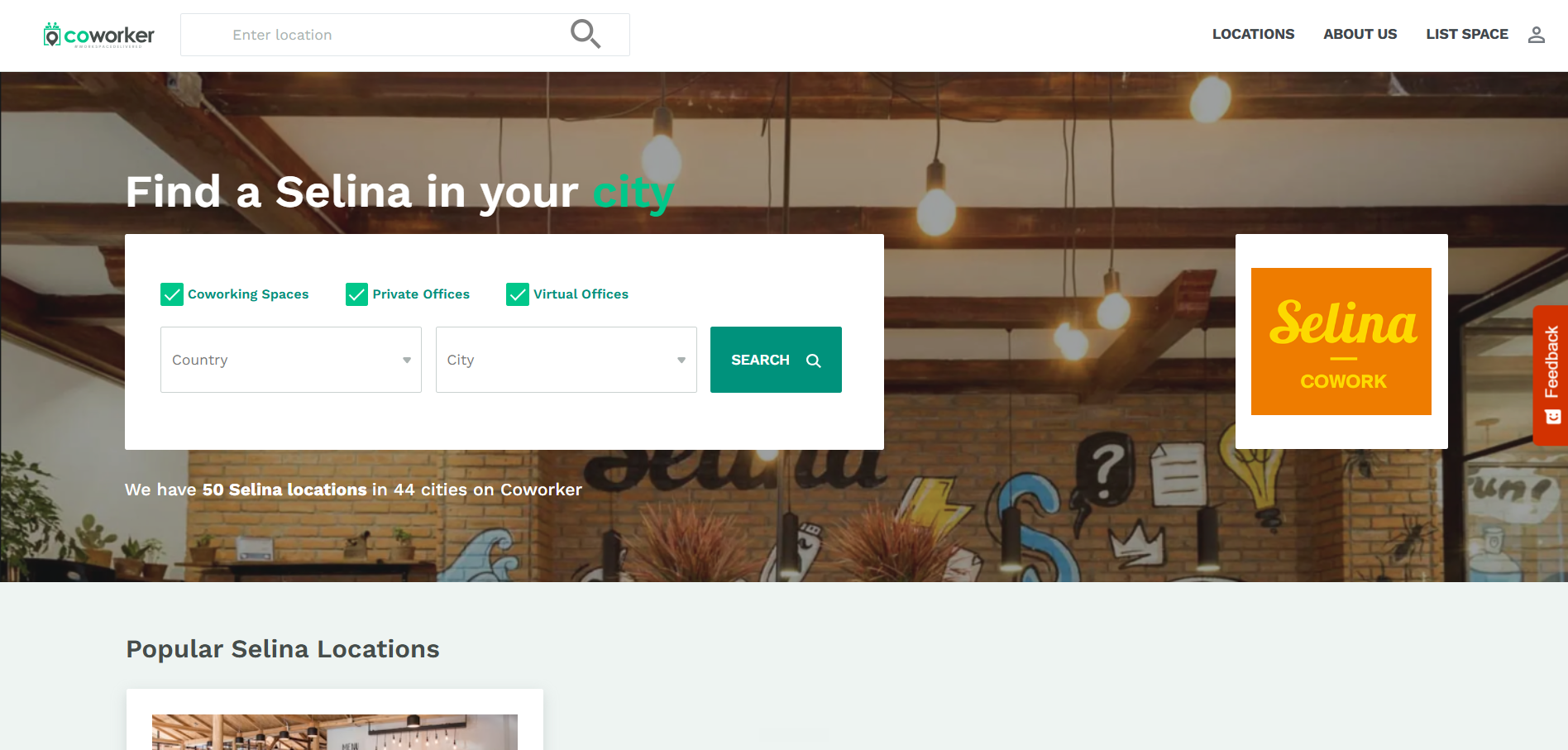
7. Selina (Global)
Selina is a hospitality brand that pairs boutique hotel accommodations with coworking spaces, originally built for digital nomads in Costa Rica, Portugal, Mexico, and across Latin America and Europe. Each location offers high-speed internet, shared and private workspaces, phone booths, and community events.
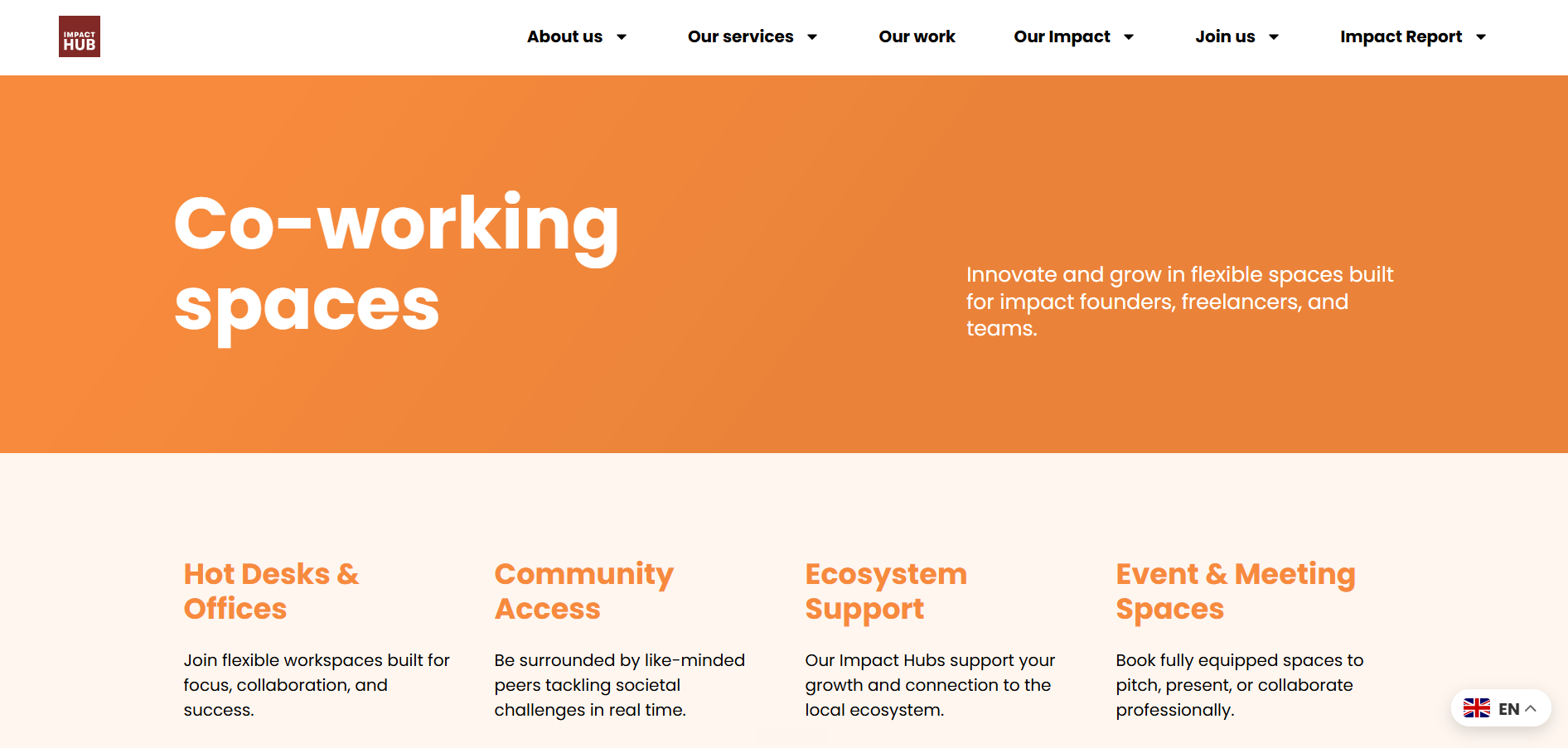
8. Impact Hub (Global)
Impact Hub is a global coworking network built around social entrepreneurship, founded in London in 2005. It now operates 100+ locations across 65+ countries, with each hub combining workspace, community programming, and startup support centered on the UN Sustainable Development Goals. Over 90% of members actively work on SDG-related challenges. Hubs operate independently under a franchise model, giving members access to events, accelerator programs, and a global community of purpose-driven entrepreneurs and changemakers.
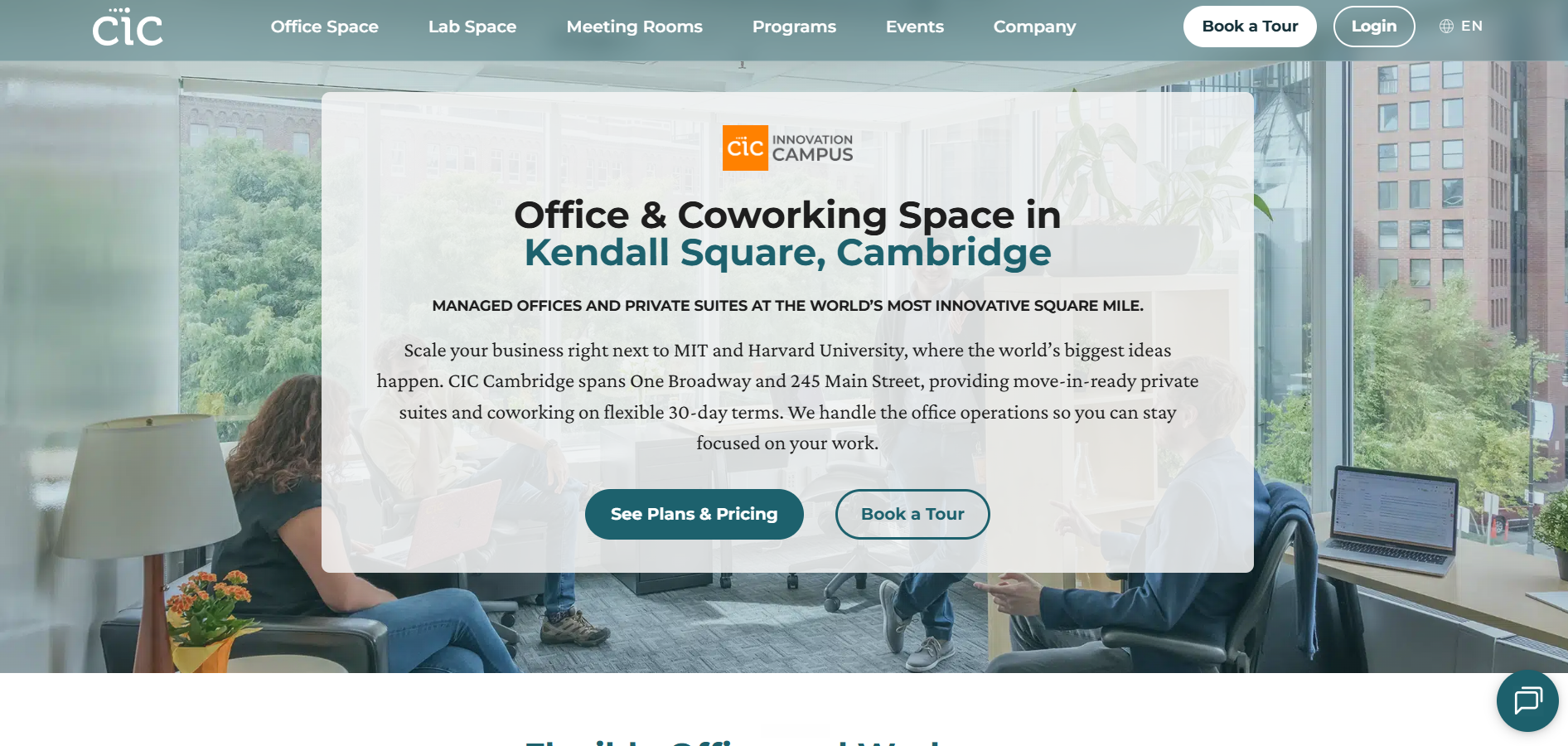
9. CIC - Cambridge Innovation Center (USA)
CIC was founded in 1999 by MIT graduates in Kendall Square, Cambridge, Massachusetts, and has grown into a global network of innovation campuses across North America, Europe, and Asia. Locations include Cambridge, Boston, Providence, St. Louis, Rotterdam, and Warsaw. Alumni companies include HubSpot. Members access flexible workspace, shared wet labs, the weekly Venture Café Thursday gathering, cross-border programming, and 1.2 million+ square feet of campus space collectively. CIC manages campuses with 30-day rolling terms.
10. B. Amsterdam (Netherlands)
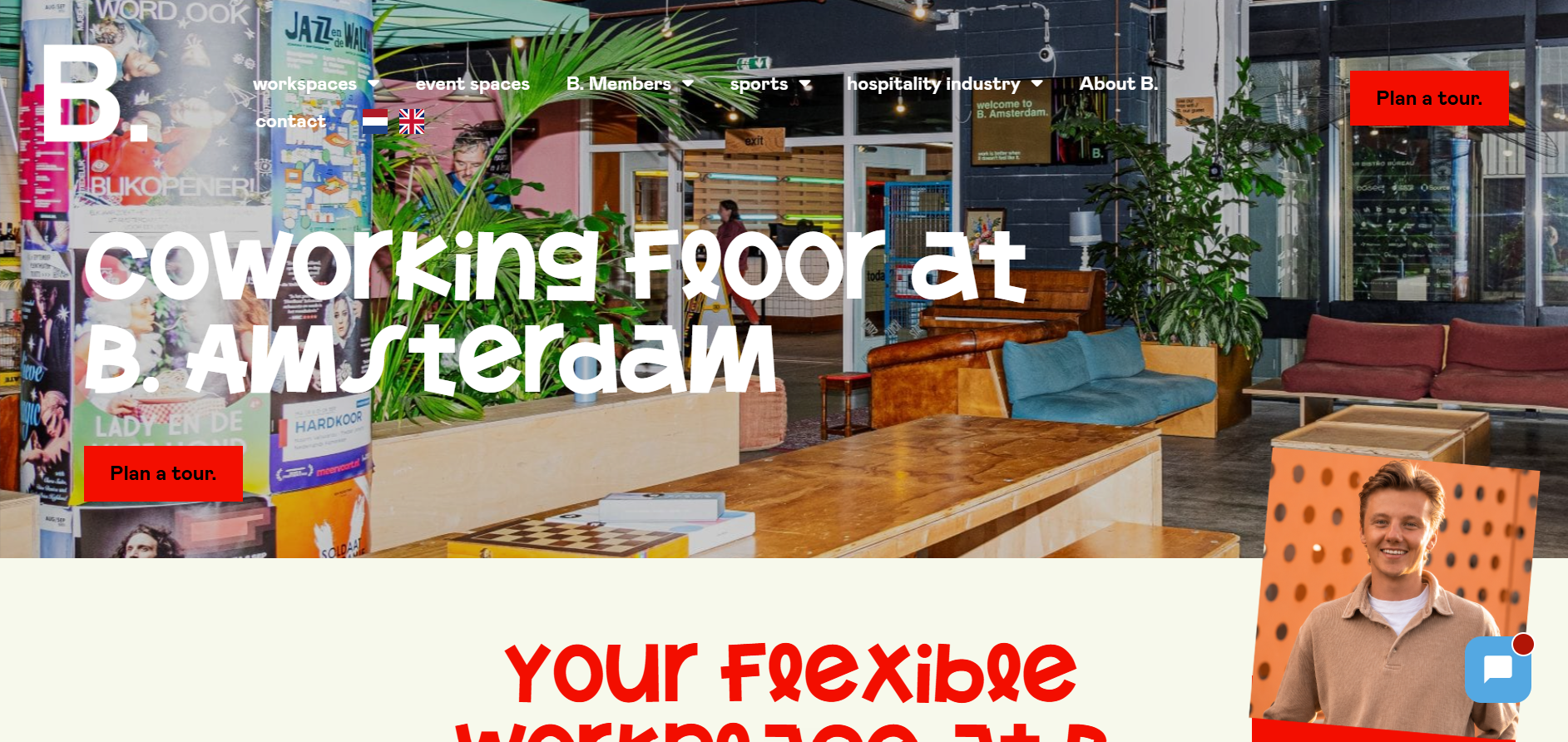
B. Amsterdam occupies the former IBM headquarters in Amsterdam's Riekerpolder business park, repurposed in 2014 by founders Guus Meulendijks, Bas van Veggel, and Ricardo van Loenen. Spread across 40,000 square meters in three buildings, it hosts 300+ companies and around 3,500 members. The campus includes coworking floors, private offices, a gym, a cinema, padel courts, and a rooftop restaurant. It brings together startups, scale-ups, corporates, and creatives in what it bills as one of Europe's largest innovation campuses.
11. Workhaus (Canada)
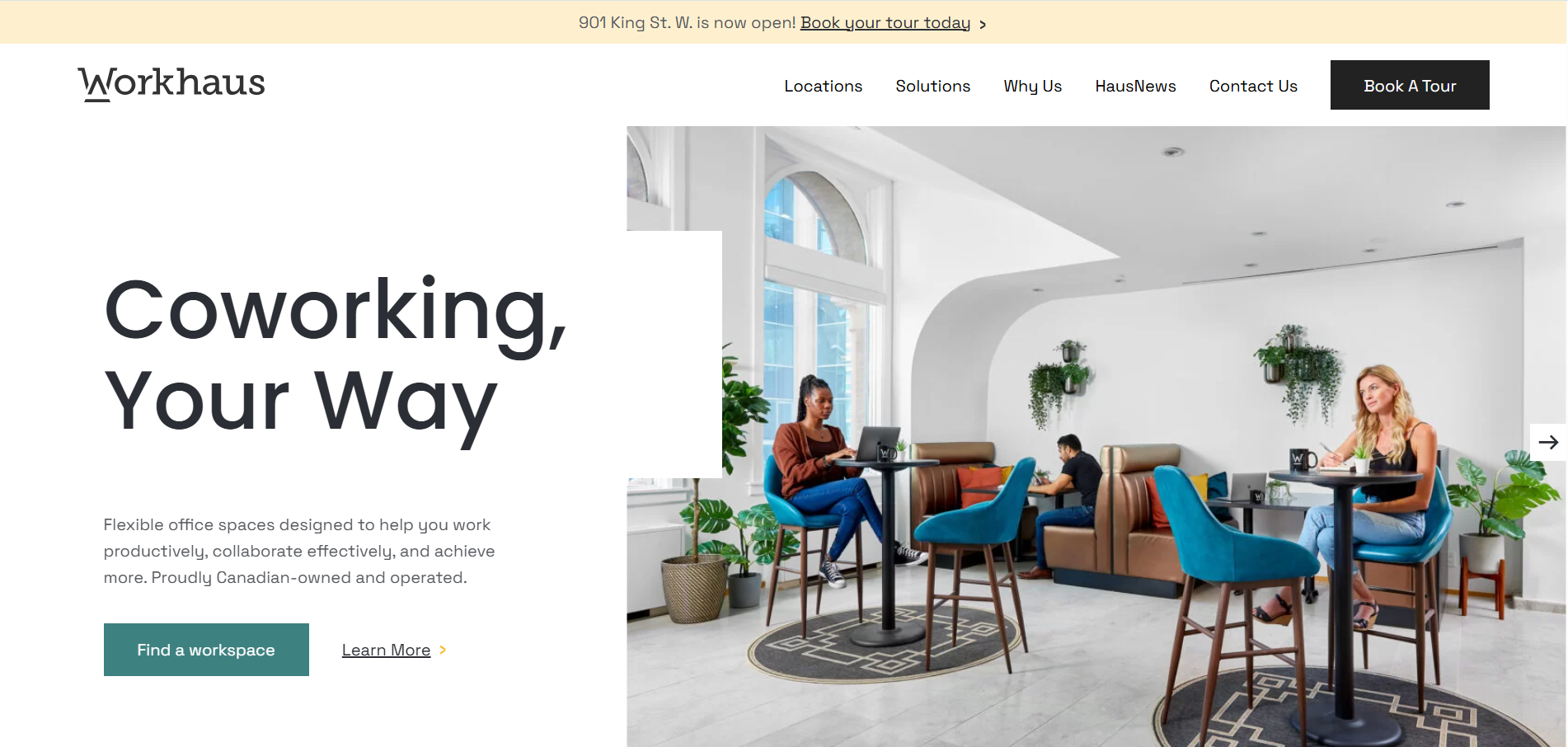
Workhaus is Canada's largest domestically owned coworking company, with 12 locations across Toronto, Kitchener-Waterloo, and Calgary. It offers private offices, coworking desks, and meeting rooms in premium central venues, most with direct access to Toronto's PATH underground network. Memberships are all-inclusive with no hidden fees, and include community events and professional programming. Workhaus serves freelancers, growing startups, and enterprise teams with flexible contracts and a built-in community culture.
12. Utopicus (Spain)
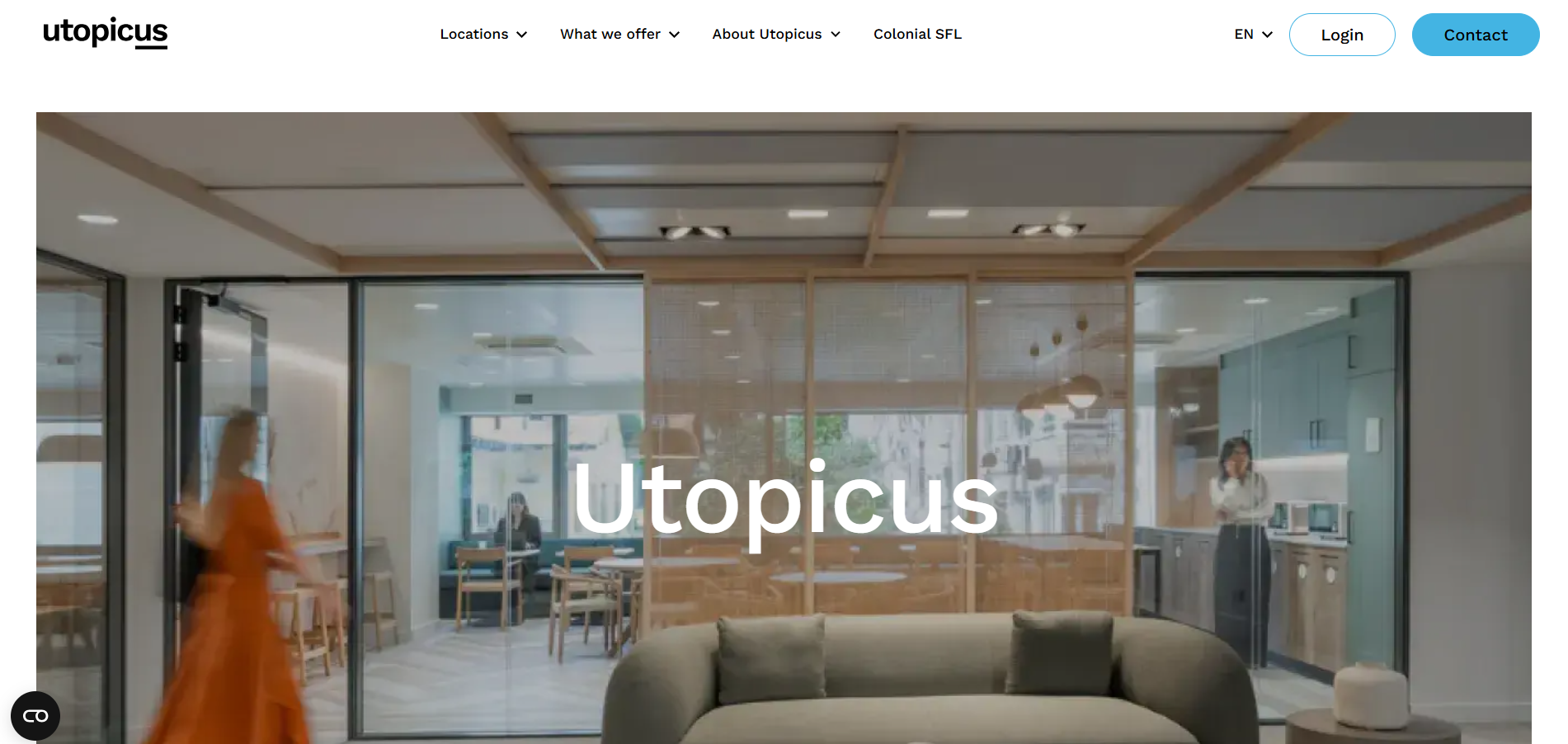
Utopicus is a Spanish flexible workspace operator wholly owned by Colonial, one of Spain's leading real estate companies. It runs 12 locations across Madrid and Barcelona, offering more than 41,000 square meters of workspace to 400+ companies. Spaces include private offices, hot desks, meeting rooms, and terraces in LEED and BREEAM-certified buildings. The Utopicus Club hosts cultural events, wellness programming, and networking sessions for its broader coworking community throughout the year.
13. Anticafé (Europe)
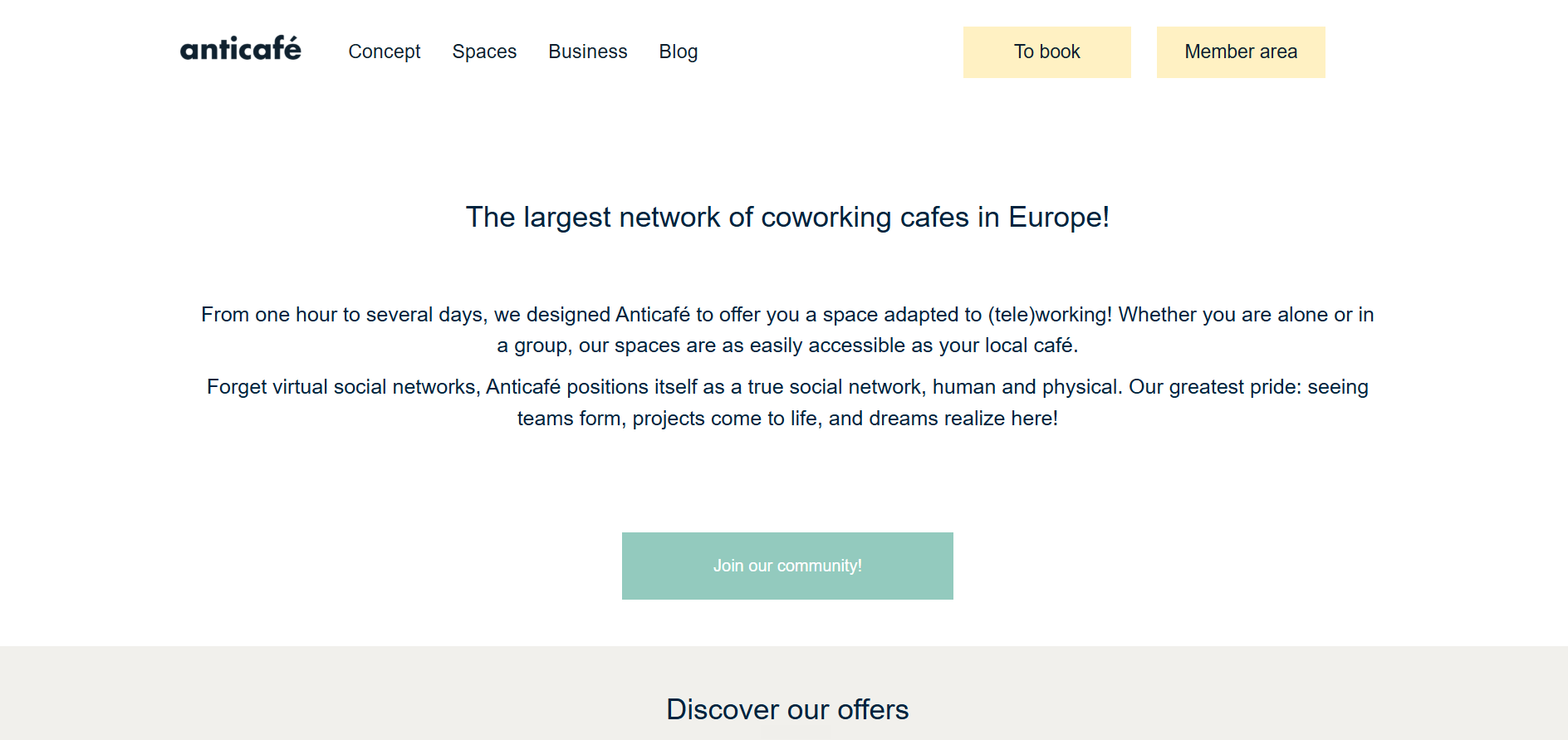
Anticafé is a French coworking café concept that charges by the hour rather than by drink. Members pay €6 per hour, with unlimited hot and cold drinks and snacks included. It currently operates seven locations in Paris plus venues in Strasbourg, Lyon, Bordeaux, and Rome. Each space offers workstations, private meeting rooms, and high-speed Wi-Fi. The time-based model suits freelancers and remote workers who need a drop-in workspace without long-term commitments or minimum orders.
These spaces not only provide a place to work but also help foster communities, promote collaborations, and offer a wide range of resources for their members. If you're considering coworking, it's worth researching and touring a few options to find the one that aligns with your needs and working style.
One platform to grow your global team
Hire and pay talent globally, the hassle-free way with Skuad.
12 benefits of coworking spaces for remote workers
Coworking spaces offer manifold advantages, transforming how we perceive and interact with our work environments. Here's how:
Optimized Work Environment: Unlike home offices that might be filled with distractions, coworking spaces provide a professional setting, tailor-made for productivity.
Networking Opportunities: Sharing a space with diverse professionals opens doors for collaboration, partnerships, and broadening one's professional horizons.
Flexibility: Coworking spaces challenge the notion that remote work is solely about working from home, offering a flexible environment where you can choose where and how you work.
Resource Availability: From high-speed internet to state-of-the-art conferencing rooms, coworking spaces come equipped with all the resources a remote worker might need.
Enhanced Productivity: The structured environment of a coworking space, combined with the lack of home-based distractions, often results in increased efficiency.
Mental Health and Well-being: Working alone at home can lead to feelings of isolation. Coworking spaces provide a sense of community and help combat loneliness.
Consistent Routine: For those who thrive on routine, these spaces provide a consistent work environment, even if the worker's residence changes.
Cost-Efficient: Instead of renting an entire office or investing in infrastructure, remote workers and small businesses can leverage the amenities of a coworking space at a fraction of the cost.
Professional Growth: Many coworking spaces host workshops, seminars, and events that can aid in professional development.
Flexibility to Travel: With the rise of global coworking chains, memberships often allow access to workspaces around the world, perfect for digital nomads and frequent travelers.
Enhanced Work-Life Balance: Having a separate workspace can help delineate professional and personal boundaries, leading to a better work-life balance.
Adaptability: As the world of work evolves, coworking spaces are often at the forefront of adapting to new needs, be it technology, design, or health protocols.
In essence, as working remotely continues to burgeon, the benefits of coworking spaces make them an attractive proposition for remote workers, freelancers, and businesses alike.
Working from home vs working remotely: Advantages of a remote office
Working from home and remote work are not synonymous. Remote work can mean anywhere with a strong Wi-Fi connection, be it a beach in Bali or a sleek coworking hub in Berlin.
As the concept of flexible work grows in popularity, so does the terminology surrounding it. Two phrases you'll often hear are "working from home" (WFH) and "working remotely".
At first glance, they might seem interchangeable, but they encapsulate distinct work styles and their associated benefits. Let's delve into these terms and understand why a remote office might have the edge over a home setup.
Working From Home (WFH): This refers to remote employees performing their tasks from their residence rather than from the primary business location or office. The home essentially becomes their workplace.
Working Remotely: This is a broader concept. While it includes working from home, it also encompasses working from anywhere outside the traditional office. This could be a café, a beach, a park, or a coworking space.
What are the advantages of a remote office over working from home?
Working remotely is a broader choice, and the distinction matters when you are deciding whether a dedicated external space could actually serve you better. Here is where the two approaches diverge.
1. Professional Environment:
A remote office, especially in coworking spaces, offers a setting designed for work. This often results in fewer distractions and enhanced productivity compared to a home environment, which might be filled with household chores and family commitments.
2. Networking Opportunities:
While WFH can feel isolating, remote offices, especially coworking spaces, buzz with professionals from diverse fields. This creates a ripe environment for networking, collaborations, and even potential business partnerships.
3. Access to Resources:
Remote offices, particularly coworking hubs, come equipped with resources that a home setup might lack. High-speed internet, state-of-the-art meeting rooms, printing facilities, and even coffee machines can make a significant difference in daily productivity.
4. Flexibility:
Working remotely doesn't pin you down to one location. Today you could be working in a city-based coworking space, and tomorrow you could be answering emails by the beach.
5. Mental Health Benefits:
Separating work from home can be beneficial for mental health. A clear distinction between professional and personal spaces can reduce work-related stress and prevent burnout. Moreover, coworking spaces provide social interactions that combat feelings of loneliness and isolation associated with prolonged WFH setups.
6. Work-Life Balance:
A remote office creates a distinct boundary between personal and professional lives. When work is done, you can truly disconnect, something that's often challenging when your office is also your living room or bedroom.
7. Versatility & Adaptability:
Remote offices, especially coworking environments, are versatile. Whether you're a solo freelancer, part of a startup, or a remote employee for a multinational, these spaces can adapt to diverse needs, providing both private cubicles and collaborative open spaces.
While WFH offers comfort and convenience, working remotely from a dedicated external space often presents advantages that can significantly elevate one's work experience. As more people recognize these benefits, the shift towards remote offices and coworking spaces seems set to continue its upward trajectory.
A remote coworking space offers amenities, professional environments, networking, and a clear boundary between work and personal life, something a home office might miss.
Customer story: How PureRED built a distributed team across six countries with Skuad
PureRED is a marketing and advertising agency serving global retail brands. Expanding into the UK, Spain, Croatia, Greece, Colombia, and India, they needed to onboard employees compliantly across six distinct labor frameworks. Skuad supported localized contract generation, multi-currency payroll, and ongoing compliance management across all six markets, bringing 65 employees onto a unified platform.
"Skuad made our team expansion possible, handling the complex onboarding and payroll processes across six different countries with ease. Their local expertise ensured our compliance, letting us focus on what we do best - serving our clients."
- Brian Butcher, EVP Corporate Development, PureRED
Choosing the right coworking space for remote workers
The 15 spaces in this guide represent different approaches to the same problem: giving professionals a place to do their best work outside a traditional office. The right choice depends on where your team is located, how often they need access, and what kind of professional community adds value to their day.
For individual remote workers, the decision usually comes down to cost, location, and membership flexibility. For companies building distributed teams, it goes further. A coworking space supports how your people work day to day, but it does not address the legal and payroll complexity that comes with employing people across different countries.
Skuad supports companies hiring remote talent across 160+ countries, with employment contracts, multi-currency payroll in 70+ currencies, and local compliance through a single platform, so you can focus on who your team is and where they work, not the administrative overhead that comes with it. Book a demo to see how Skuad supports compliant global hiring.
FAQs
What are coworking spaces, and why do remote workers use them?
Coworking spaces are shared, professional work environments where individuals from different companies or freelance backgrounds work independently or together. Remote workers use them to access reliable infrastructure, professional meeting rooms, and a community of peers, while separating work physically from their home environment.
How much does a coworking space membership cost?
Coworking membership costs vary widely by location and space type. Hot desks in the US typically range from $150 to $400 per month, while dedicated desks run $300 to $700. Day passes are available from around $20 to $50, making it easy to trial different spaces before committing.
Can I use a coworking membership in different cities or countries?
Many major coworking networks, including WeWork and Regus, offer global memberships that provide access to locations across dozens of countries. Specific access terms vary by provider and membership tier. In general, international or cross-city access is more common with premium-tier memberships from global chains than with local independent spaces.
Do coworking spaces help with remote work burnout and isolation?
Remote work burnout and isolation are common challenges, particularly for workers without peer interaction. Coworking spaces address this by providing a structured daily environment, incidental social contact, and organized community events. Research consistently links regular use of shared workspaces to reduced loneliness and improved job satisfaction among remote professionals.
Who uses coworking spaces?
Freelancers, startups, and digital nomads have traditionally made up the core coworking user base. Increasingly, mid-sized companies and large enterprises use them for remote and hybrid employees, satellite teams, and short-term project-based work.
What is the trend in coworking in 2026?
In 2026, coworking continues to grow alongside hybrid work adoption. Demand is shifting toward flexible, on-demand memberships, with major markets like the US crossing 9,000 active locations. Many spaces now include residential partnerships, wellness programming, and enhanced networking events to serve both traditional freelancers and corporate distributed teams.
Employ contractors and employees in 160+ countries